Totally Organic Coffee Farming Pesticide
Here is an explanation of these two natural, organic pest control methods used in Rwandan farming, particularly in the context of high-quality coffee production.
1. Bio-Urine: The Local Cow Urine and Water Solution
While specific commercial data linking a cow urine-and-water pesticide to Rwandan coffee is limited, the use of Bio-Urine (processed livestock urine) is a well-established and highly effective practice in sustainable agriculture across Rwanda and East Africa.
What it is and How it Works:
Organic Fertilizer: Cow urine is primarily valued as an extremely rich, naturally sourced liquid organic fertilizer (Bio-Urine). It is high in essential plant nutrients like Nitrogen, Phosphorus, and Potassium (NPK), as well as micronutrients like iron, copper, and zinc.
Pest Control Properties: Cow urine naturally contains compounds such as urea and ammonia. When fermented and properly diluted, these compounds act as a natural deterrent, effectively repelling various insects and pests from the coffee trees.
The Process: Farmers typically collect cow urine, often ferment it with local ingredients (like molasses or plant matter) for several weeks to stabilize the mixture, and then dilute it heavily with water before using it as a foliar spray or a soil drench.
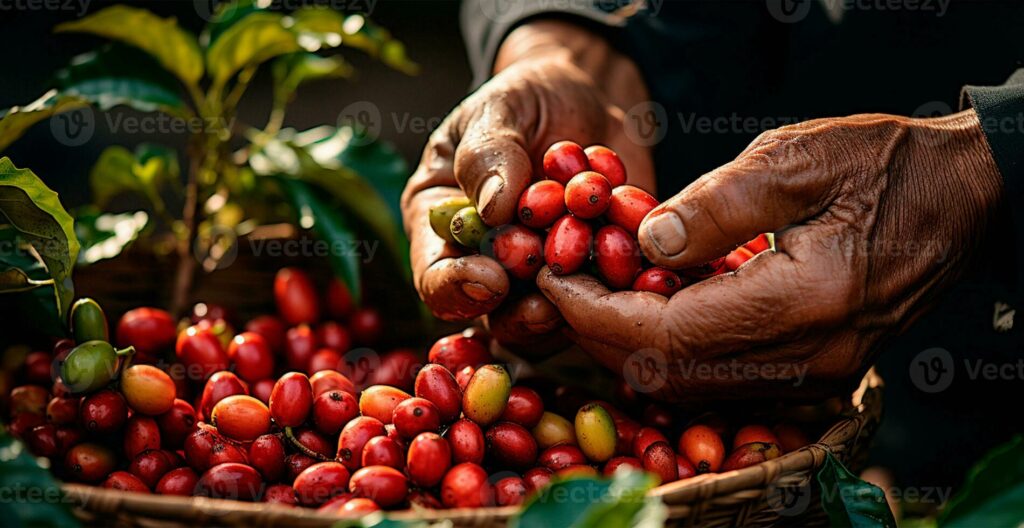
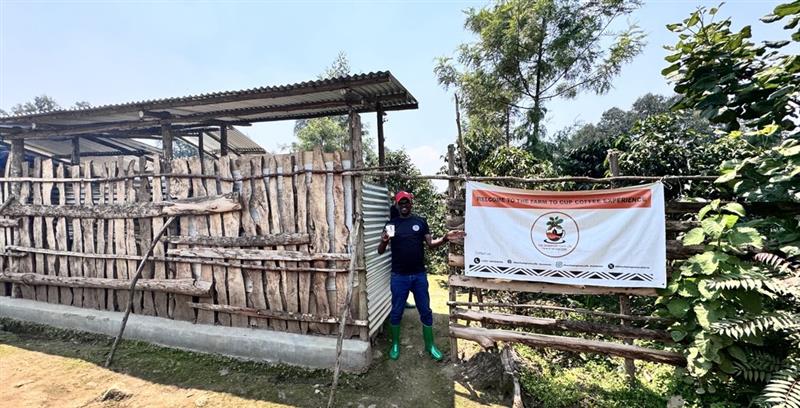
Benefits for Organic Coffee: By using Bio-Urine, organic coffee farmers in Rwanda can sustainably improve soil health and coffee tree vigor, while naturally suppressing pests—all while utilizing a free, locally available farm waste product. This is a powerful component of the “totally organic and hand processing” technique you mentioned.
2. Pyrethrum: Rwanda’s Commercial Natural Insecticide
Pyrethrum, derived from the flowers of the Chrysanthemum cinerariaefolium (a small daisy-like blossom), is Rwanda’s globally recognized contribution to natural pest control.
What it is and How it Works:
The Active Ingredient: The flower heads contain a powerful, naturally occurring insecticide called Pyrethrins. These compounds are highly effective against a wide range of insects.
Efficacy and Safety: Pyrethrins are famous for their high efficacy (they cause rapid paralysis, known as “knockdown,” in insects) and low mammalian toxicity. They break down quickly when exposed to light and air, meaning they leave little to no harmful residue on the coffee plants or in the environment, which is vital for organic certification.
Rwanda’s Unique Role (HORIZON SOPYRWA):
Volcanic Soil Advantage: Pyrethrum is ideally suited to the high altitudes and rich volcanic soil in the foothills of the Virunga Mountains in Northern Rwanda. This specific terroir helps Rwanda produce pyrethrum with a high concentration of the active ingredient.
Economic Impact: Managed by companies like HORIZON SOPYRWA (Société Pyrethrum au Rwanda), this industry provides income for thousands of smallholder farmers and is a significant foreign exchange earner, diversifying Rwanda’s export economy.
Organic Certification: The use of a natural, plant-derived insecticide like pyrethrum, where required, aligns perfectly with the strict requirements for organic certification in the coffee sector.
In short, Bio-Urine offers local, cost-effective, and sustainable fertilizer and pest repellent, while Pyrethrum provides a powerful, residue-free, and internationally recognized natural insecticide for high-quality organic coffee production in Rwanda.